
Planning a trip to the beautiful islands of Fiji? Before you pack your bags, it is vital to prioritise your health. Understanding the necessary Fiji travel vaccines and following safety precautions will help ensure your holiday is memorable for all the right reasons. Whether you are seeking relaxation in a resort or adventure in the archipelago, being prepared is an important part of travel preparation.
Understanding Fiji travel vaccinations
When travelling overseas, your priority should be reviewing your vaccination history with a healthcare professional before departure. While Fiji is a popular destination that is generally safe with manageable travel-health risks, specific preventable diseases can still pose a risk to travellers.
Recommended vaccines for Fiji
Travellers should review routine immunisations with a healthcare professional before departure. This includes ensuring protection against measles, mumps, rubella, diphtheria, tetanus, pertussis, and polio. For many visitors, additional Fiji vaccinations are recommended based on specific travel plans. These often include:
- Typhoid: Typhoid is commonly recommended for many travellers, especially those planning visits to rural areas or areas with lower sanitation standards.
- Hepatitis A: Hepatitis A is often advised because food and water exposure risks can vary depending on your specific itinerary.
- Hepatitis B: Recommended for long-term travellers or those who may engage in activities that increase exposure risk.
Yellow fever entry requirements
Fiji does not have yellow fever, but an official yellow fever vaccination certificate is required for entry if you are arriving from a country with a risk of yellow fever transmission, or if you have transited for more than 12 hours through an airport in such a country. Always check the latest entry requirements via Smartraveller before you fly.
Managing health risks and safety precautions

Beyond vaccines, your travel health strategy should focus on preventative measures. Because Fiji is a tropical destination, the environment itself can present challenges that are easily managed with the right approach.
Avoiding mosquito-borne illnesses
Mosquitoes in Fiji can transmit diseases such as dengue, Zika, and chikungunya. While cases can occur throughout the year, transmission can increase during wetter periods. To minimise your risk, practice consistent avoidance measures:
- Use a high-quality insect repellent containing DEET or Picaridin.
- Wear long-sleeved shirts and long pants, especially during dawn and dusk.
- Choose accommodation that provides screened windows or air conditioning, which helps reduce mosquito bites.
Preventing travellers’ diarrhoea
Travellers’ diarrhoea is a common, though preventable illness for those travelling overseas. The best way to protect yourself is to be mindful of what you eat and drink.
| Precaution Type | Recommended Action |
|---|---|
| Water Safety | Water safety varies by location; bottled or treated water is the safer default, especially outside major centres and resorts. |
| Food Choice | Eat hot, freshly cooked meals; avoid raw salads. |
| Medical Prep | Carry basic self-treatment supplies for stomach upsets. |
If you are planning to visit rural areas or engage in adventure travel, speak with your doctor about a medical kit tailored to your needs. This is particularly important for an active traveller, such as a diver heading to remote islands, where there may be limited medical facilities.
Planning your health strategy
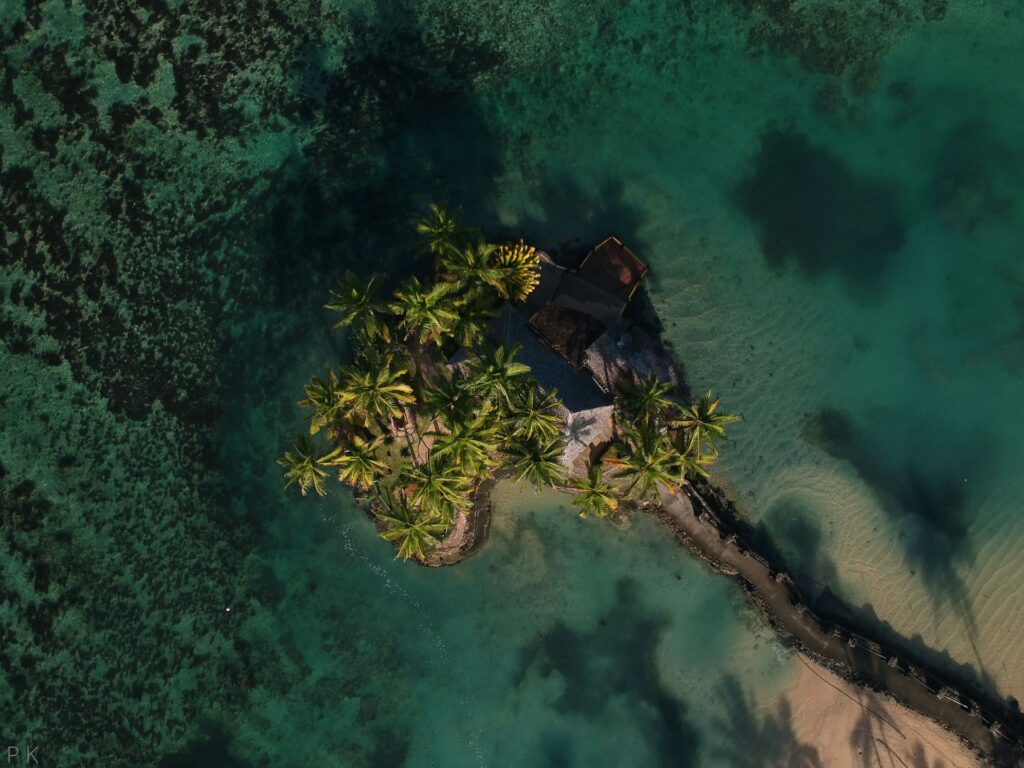
Taking the time to organise your health before you leave allows you to relax and enjoy the Fijian sunshine.
How to prepare for your trip
The most effective way to prepare is to make an appointment with a travel health clinic or your GP at least 6 to 8 weeks before departure. Bring a copy of your past vaccination records so your doctor can identify any gaps in your immunity. Get vaccinated and informed before you depart. If you are unsure about your status, book your appointment well in advance to ensure there is enough time for any vaccine series to become effective.
Why professional medical advice matters
Online information is helpful, but it cannot replace professional medical advice tailored to your unique health profile. A doctor will assess your itinerary, the length of your stay, and your previous medical history to provide the most accurate travel health advice. Remember, precautions are essential to ensure that your time in Fiji is spent enjoying the islands rather than dealing with a preventable disease. By staying proactive, you ensure your trip remains a highlight of your year.
Preparing for a safe journey
Every itinerary is unique, which is why a one-size-fits-all approach to travel health rarely suffices. Getting personalised advice ensures you have the specific immunisations and health strategies required for your trip, allowing you to focus on the experience rather than health concerns.
For those needing expert guidance, the medical team at Southgate Medical provides comprehensive consultations focused on evidence-based care to support you from departure to return. You can book an appointment online today to discuss your travel health requirements with an experienced doctor.
Frequently asked questions
Do Australians need a yellow fever vaccination for Fiji?
No, Australian travellers do not require a yellow fever vaccination certificate for direct travel to Fiji. However, you must present a valid certificate if you have arrived from, or transited for more than 12 hours through, a country with a risk of yellow fever transmission.
Which vaccines are recommended for a trip to Fiji?
While there are no mandatory vaccinations for general entry, health professionals may recommend staying up to date with routine immunisations. Depending on your specific itinerary, your doctor may also suggest protection against Hepatitis A and typhoid, especially if you plan to visit rural villages or remote islands.
Is malaria a risk for tourists visiting Fiji?
No, malaria is not present in Fiji, so you do not need antimalarial medication for your trip. However, Fiji does have other mosquito-borne illnesses like dengue fever and the Zika virus, meaning it is still essential to focus on general bite prevention measures.
How can I avoid mosquito bites while in Fiji?
The most effective way to prevent mosquito bites is to use a high-quality repellent containing DEET or Picaridin. Additionally, wear long-sleeved clothing during dawn and dusk when mosquitoes are most active, and ensure your accommodation uses screened windows or air conditioning to help reduce mosquito bites.
Is it safe to drink tap water in Fiji?
Water safety varies by location; bottled or treated water is the safer default, especially outside major centres and resorts. Rely on current local guidance for your specific area. When in doubt, follow local guidance or use treated water to avoid stomach upsets.
What should I do if I get travellers’ diarrhoea in Fiji?
Travellers’ diarrhoea is a common risk, so carry basic self-treatment supplies like rehydration salts in your medical kit. If symptoms are severe, persist for more than a few days, or are accompanied by a high fever, seek professional medical attention immediately, especially if you are in a remote area.
When should I see a doctor before travelling to Fiji?
You should ideally schedule a travel health consultation at least 6 to 8 weeks before your departure date. This timeframe allows sufficient time for any recommended vaccine series to become fully effective and for your doctor to provide personalised advice based on your medical history and planned activities.
Is Fiji considered a high-risk destination for health issues?
Fiji is a safe destination with manageable health risks rather than a high overall health-risk destination. While tropical environments require unique health considerations, travellers can remain proactive about food hygiene, sun protection, and mosquito avoidance to ensure their holiday remains comfortable and health-issue-free.