

Are you planning an upcoming trip to Sri Lanka? Preparing for your journey involves more than just booking flights and accommodation. Ensuring you have the appropriate vaccinations for Sri Lanka and health protection is a vital part of your pre-travel checklist. While Sri Lanka is a beautiful destination, being aware of common vaccine-preventable diseases and general travel health risks is essential for a smooth experience.
Understanding Sri Lanka vaccination requirements
Most travellers do not face strict compulsory requirements when entering the country. However, there is one notable exception regarding yellow fever: a vaccination certificate is required if you are arriving from, or have transited for more than 12 hours through, a country with a risk of yellow fever transmission. This applies to all overseas travellers aged 9 months or older.
Beyond official requirements, the recommended vaccinations for Sri Lanka are based on your personal itinerary and health profile. Since travel health is complex, a pre-travel consultation with a medical practitioner is the best way to determine your individual needs.
Evaluating your routine immunisations
Before considering travel-specific jabs, verify that your routine immunisation history is up to date. Most travellers received these during childhood, but boosters are often necessary for adults.
Common routine vaccines include those for diphtheria, tetanus, pertussis, and polio, as well as measles, mumps, and rubella. Ensuring these are up to date provides a strong foundation for your health security while abroad.
Assessing travel-specific risks
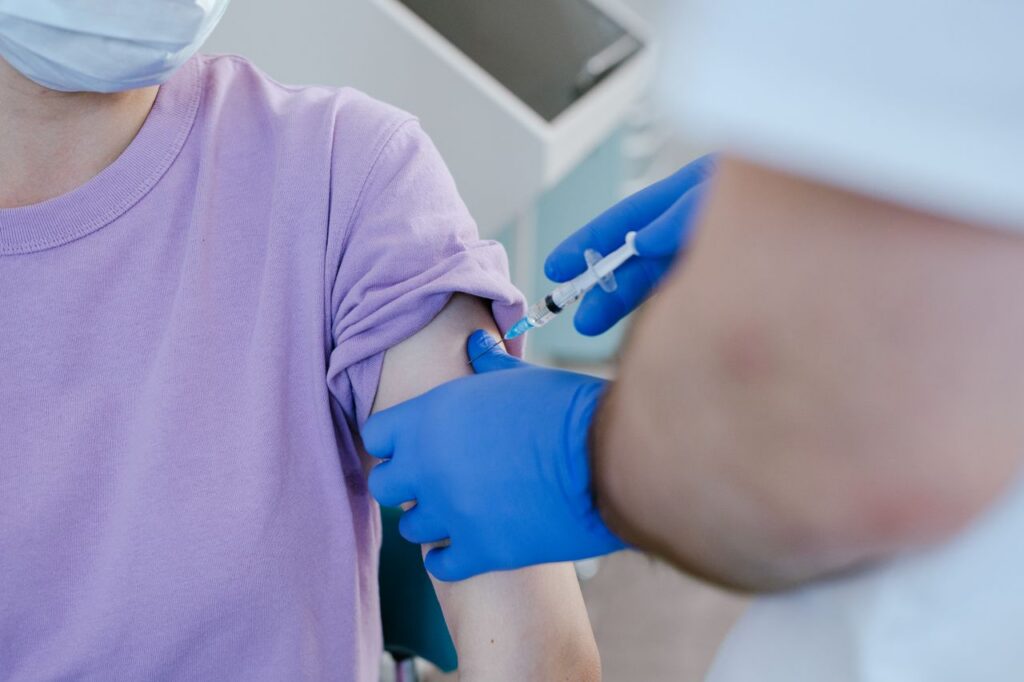
Depending on your travel plans, certain vaccinations are highly recommended. The specific type of travel, such as rural travel versus stays in major cities, significantly influences the recommendations.
Food and waterborne risks
Hepatitis A is highly recommended for most visitors as it is primarily spread through contaminated food. Similarly, typhoid vaccination is often discussed with a medical practitioner if your itinerary includes dining in local markets or smaller cities.
Hepatitis B considerations
Hepatitis B is recommended for long-stay travellers, those intending to travel repeatedly, or individuals who may undergo medical or dental procedures, get tattoos, or engage in sexual contact while abroad.
Rural and environmental risks
For travellers planning to spend extended periods outdoors or visiting rural areas, Japanese encephalitis is a key consideration. This disease is transmitted through mosquito bites, particularly near rice paddies. While the risk is present year-round, cases tend to peak during the two monsoon seasons (Yala: May to August; Maha: November to February).
Additionally, rabies is a concern in areas where stray dogs or wildlife are common. A rabies vaccination series may be highly recommended if your travel plans include rural exploration or close contact with animals, as the incidence of dog-mediated rabies remains an endemic risk.
Health risks and prevention strategies
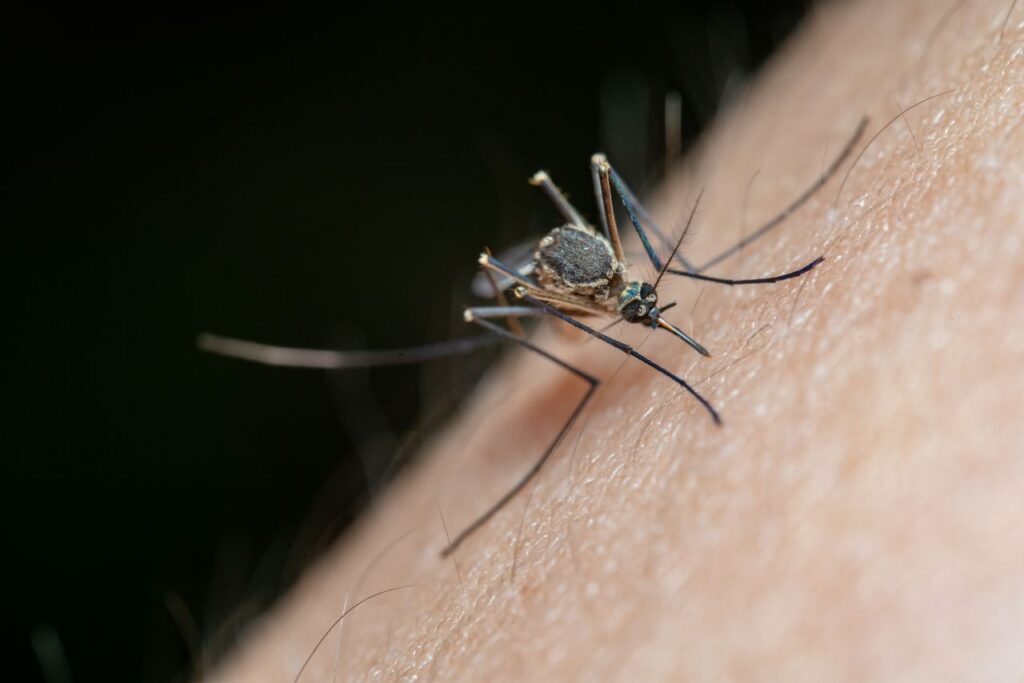
While vaccines provide critical protection, many common vaccine-preventable issues are best addressed through environmental precautions. Understanding how to avoid exposure is just as important as the professional medical advice you receive.
Mitigating mosquito-borne diseases
Several illnesses are spread by mosquito bites, including dengue and chikungunya. While Sri Lanka has been officially malaria-free since 2016, dengue and chikungunya remain prevalent in both urban and rural settings.
Because there are no widely available vaccines for dengue or chikungunya for most travellers, mosquito avoidance is essential. We recommend that you carry insect repellent containing DEET (20 to 50%) or picaridin. Additionally, wearing light-coloured, long-sleeved clothing is a simple yet effective precaution. Note that dengue mosquitoes are day-biting, so protection is vital during daylight hours, not just at dawn and dusk.
Navigating food and water safety
Food and water hygiene are primary concerns. Diarrhoea affects a significant number of visitors, often due to contaminated food and water. To minimise risk, consume only bottled or treated water and avoid ice in drinks. Choose foods that are freshly cooked and served hot, and exercise caution with raw vegetables or unpeeled fruits. Practising these habits is a key precaution to reduce illness.
Medical consultation and individual needs

Travel health is highly individualised. Your specific needs will depend on your current medical conditions, your length of stay, and the complexity of your itinerary.
Why a professional consultation is necessary
A medical practitioner is able to advise you based on your unique medical history. During a consultation, you can discuss your past vaccination history and any present health concerns that may impact your risk.
Preparing for your travel health appointment
We suggest booking your appointment at least 6 to 8 weeks before your trip to Sri Lanka. This allows sufficient time to complete multi-dose vaccine schedules if needed. If you are travelling soon, do not delay seeking medical advice. Even a last-minute appointment can provide valuable guidance on safety tips and self-treatment for mild diarrhoea.
Preparing for your journey and expert support
A safe trip begins with proactive planning. By ensuring your immunisations are current and following practical safety measures, you can significantly reduce your health risks while staying informed and consulting a professional early in your process.
At Southgate Medical, we recognise that navigating travel health can be a complex part of trip planning. Our team provides evidence-based health advice tailored to your itinerary and medical history, helping you understand potential risks and practical mitigation strategies so you can focus on your travels with confidence.
Frequently asked questions
Are there mandatory vaccinations for entering Sri Lanka?
There are no mandatory vaccinations for most travellers entering Sri Lanka. However, you must present a valid yellow fever vaccination certificate if arriving from, or having transited for more than 12 hours through, a country with a risk of yellow fever transmission. This applies to all travellers aged nine months or older.
Is dengue fever a significant risk for travellers?
Yes, dengue fever is a prevalent risk in Sri Lanka, with cases reported in all 25 districts, particularly in the Western Province. Since there is no widely available vaccine for travellers, you must focus on mosquito avoidance by using an effective repellent and wearing protective clothing, especially during the day.
How far in advance should I see a travel doctor?
You should ideally book a travel health consultation at least six to eight weeks before your departure date. This timeframe ensures you have sufficient time to complete any necessary multi-dose vaccine courses, such as those for Hepatitis B or rabies, which require several weeks to reach full effectiveness.
Is it safe to drink tap water in Sri Lanka?
No, tap water in Sri Lanka is generally considered unsafe for consumption by international travellers. To avoid gastrointestinal issues, you should only drink bottled, boiled, or properly filtered water. Always ensure the seal on any bottled water you purchase is intact, and avoid ice cubes in drinks.
Do I need a rabies vaccination for a holiday in Sri Lanka?
A rabies vaccination is not mandatory but is highly recommended for specific groups. You should discuss this with your doctor if you plan to visit rural areas, engage in trekking or adventure sports, or expect regular contact with animals where prompt access to medical post-exposure treatment might be unavailable.
What are the main mosquito-borne health risks in Sri Lanka?
The primary mosquito-borne risks for visitors are dengue and chikungunya. These viruses are transmitted by day-biting mosquitoes, so protection is vital during daylight hours. By applying insect repellent containing DEET or picaridin and wearing long-sleeved clothing, you can significantly lower your risk of contracting these illnesses while travelling.
Are routine childhood immunisations sufficient for Sri Lanka?
Routine immunisations provide an essential baseline, but they may not be enough for your specific trip. While you should be up to date on vaccines like tetanus, diphtheria, and MMR, your doctor may recommend additional travel-specific jabs like Hepatitis A or Typhoid based on your itinerary, accommodation, and planned activities.