
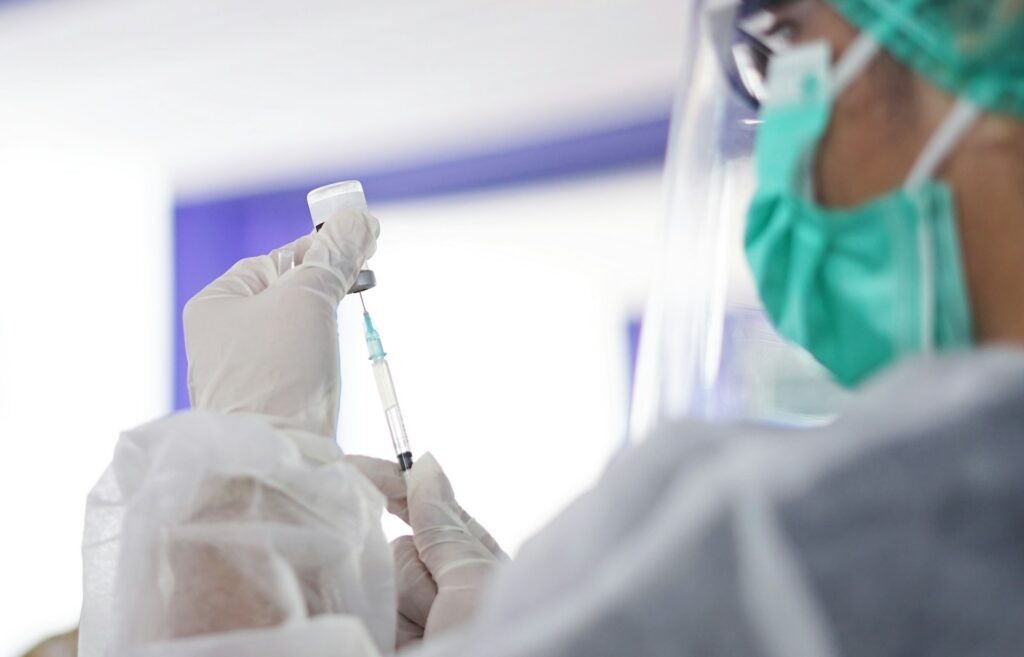
The Philippines is a stunning archipelago of over 7,600 islands, offering everything from the white sands of Boracay and the limestone lagoons of El Nido to the vibrant, bustling streets of Metro Manila. While the natural beauty and warm hospitality make it a premier destination for Australian tourists and business travellers, the tropical environment presents unique health risks that differ from life at home.
Ensuring you have the correct vaccinations for Philippines travel is a critical part of your trip preparation. Because some regions still face challenges with water sanitation and insect-borne diseases, being properly immunised allows you to explore the local culture and cuisine with confidence. Whether you are visiting rural areas, staying in smaller cities, or visiting friends or relatives, a proactive approach to travel health ensures your holiday remains memorable for the right reasons.
What are the routine vaccinations for the Philippines?
Before considering tropical-specific shots, every traveller should ensure their Australian routine vaccinations are up to date. These are the standard immunisations provided under the National Immunisation Program, and they form your first line of defence.
Measles and Polio boosters
The Philippines has experienced periodic outbreaks of measles and polio in recent years. According to Smartraveller, measles remains a concern for overseas travellers due to high transmission rates in densely populated areas.
Confirm your vaccination history to ensure you have received two doses of the measles, mumps and rubella (MMR) vaccine. If there is any doubt about your immunity, a medical professional can provide a booster as a safe precaution before you depart.
Tetanus, Diphtheria, and Pertussis
Tetanus is a specific risk if you sustain a wound while exploring the outdoors or visiting rural areas. Most Australian adults require a booster every ten years. This is usually administered as a combined dTpa vaccine, which also protects against diphtheria and pertussis (whooping cough).
Which travel vaccinations are often recommended?
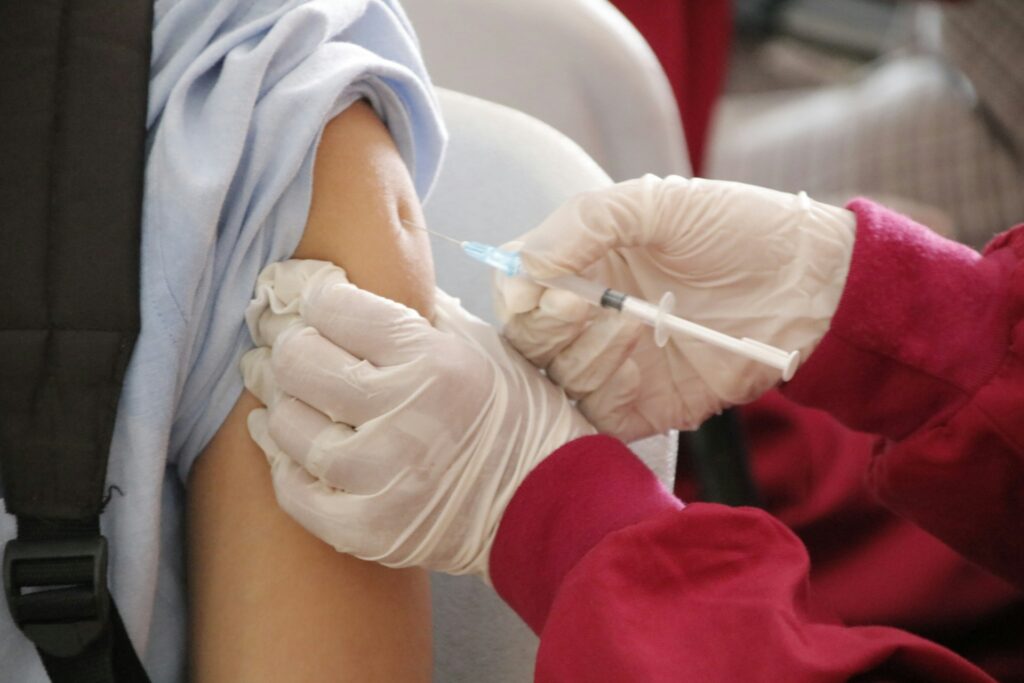
For most people, travel vaccinations for the Philippines focus on protecting against diseases transmitted through environmental exposure or among the most common vaccine-preventable risks for travellers.
Hepatitis A and Typhoid
Hepatitis A and Typhoid are often recommended depending on your itinerary. These are typically spread via contaminated food or water. While hygiene standards in major hotels are high, the risk of infection persists when dining at local markets or in regions with varying water quality.
Obtaining these jabs for Philippines travel is a vital step in preventing severe gastrointestinal illness. A travel health professional can advise if a combined vaccination approach is suitable for your specific trip.
Hepatitis B
The Hepatitis B vaccine is recommended for travel if you might have a medical procedure, a tattoo, or new sexual partners during your length of stay. It is a wise precaution for those planning long-term travel to the Philippines, where emergency medical care may involve higher risks than in Australia.
Specialised vaccines for rural and long-term travel
If your itinerary involves spending a lot of time outdoors or staying in remote regions, you may need additional layers of protection tailored to your specific travel plans.
Japanese Encephalitis (JE)
Japanese Encephalitis is a viral infection transmitted by mosquito bites, primarily in agricultural or rural areas. While the risk to most travellers is low, it increases if you visit during the wet season or engage in extended outdoor activities such as hiking and camping.
Rabies vaccination
Rabies is a high-risk concern in the Philippine animal population, particularly among dogs and bats. A rabies vaccination is recommended for travellers who will have limited access to immediate medical care following an animal bite. Even with the vaccine, any animal bites must be treated as a medical emergency.
Health risks: Mosquito-borne diseases and safety
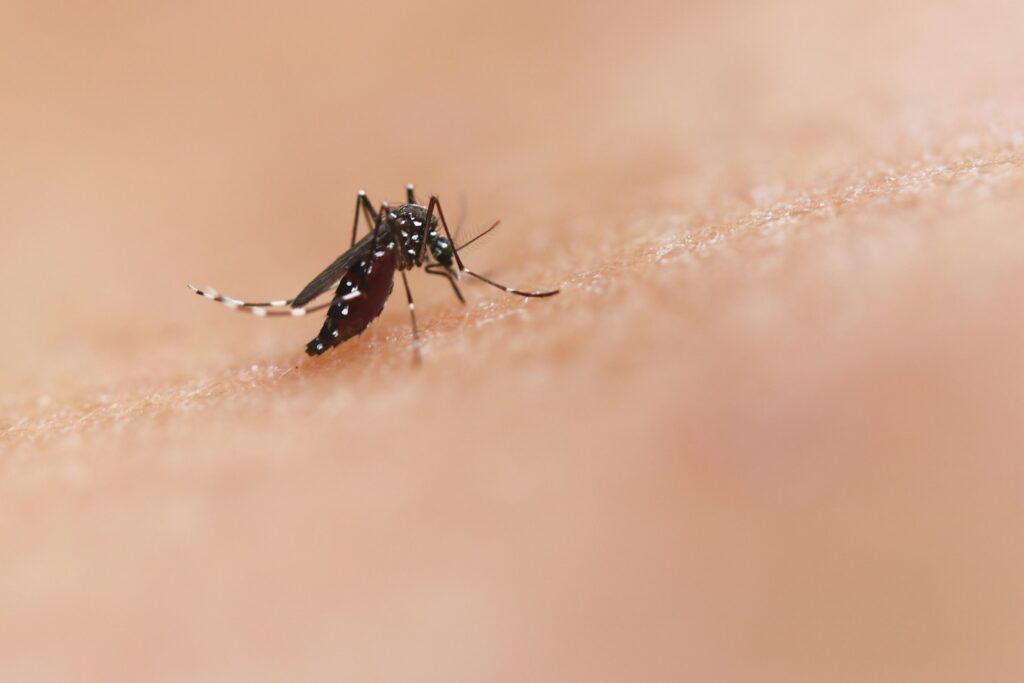
Not all health risks in the Philippines are preventable by a vaccine. Several common tropical diseases are carried by insects and require diligent personal precautions.
Is malaria present in the Philippines?
According to CDC and WHO travel health guidance, malaria risk is very limited and largely confined to specific rural and forested areas of Palawan and parts of Mindanao. It is not present in Manila or most standard tourist destinations. Depending on your itinerary, you may be advised to take antimalarial tablets. Always use a high-quality insect repellent and wear long, loose-fitting clothing to reduce your risk.
Managing Dengue and Zika Virus
Dengue fever, Zika virus, and Chikungunya are present in many parts of the country, with Dengue being the primary concern during the rainy season. While dengue vaccines exist, their use is restricted and generally not recommended for travellers without prior dengue infection due to safety considerations. As there is no vaccine for Zika, preventing mosquito bites remains the only way to avoid these infections.
Quick reference:
- Dengue: Spread by daytime mosquitoes; prevent with repellent and clothing
- Zika: Spread by mosquitoes and sexual contact; prevent bites and practice safe sex
- Chikungunya: Spread by daytime mosquitoes; prevent with repellent and clothing
Food and water safety precautions
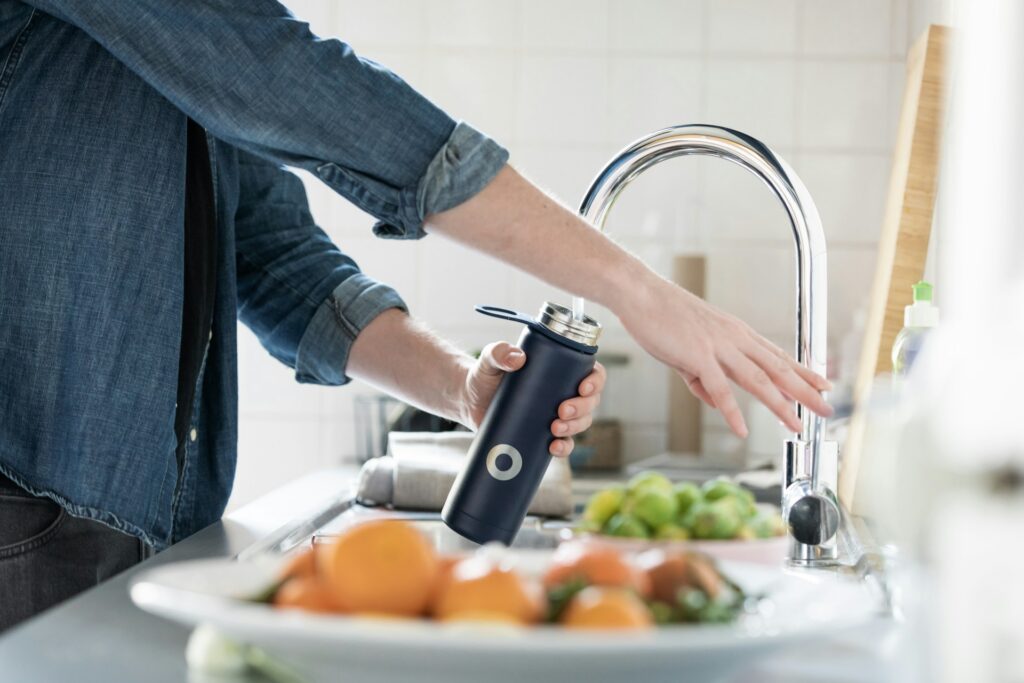
While many tourist areas have improved infrastructure, it is still wise to be mindful of your food and water intake to avoid diarrhoea and other stomach bugs.
Safe drinking habits
It is best to avoid drinking untreated tap water; use bottled or treated water instead. While brushing your teeth with tap water is often considered low risk for many travellers, using bottled water remains a safer preference for those with sensitive stomachs. Be cautious with ice from unknown sources, though commercially produced ice in major urban and tourist centres is generally considered safe.
Food hygiene
Avoid contaminated food by eating at busy establishments where food turnover is high. Ensure meals are served steaming hot, and be cautious with raw seafood or salads that may have been washed in local tap water.
Navigating Your Philippines Adventure Safely
Getting professional health advice is just as important as choosing the right island to visit. When you book a travel health consultation at Southgate Medical, we review your individual medical history alongside your specific itinerary to ensure the protection you receive is practical and relevant to your unique plans.
Whether you are preparing for a short family holiday or a long-term business stay, our team is here to help you navigate these health considerations. To arrange a booster or discuss specific vaccinations for your trip, you can book an appointment online or contact us directly.
Get in Touch
- Book Online: Travel Advice Appointment
- Phone: (03) 9690 1433
- Email: clinic@southgatemedical.com.au
- Visit Us: 1 / 405 Bay Street, Port Melbourne, VIC 3207
Frequently asked questions
Ideally, you should book your travel health consultation at least 4 to 6 weeks before you depart for the Philippines. This timeframe allows your body to build full immunity from the vaccines and permits any multi-dose series to be completed. Some immunisations, like Japanese Encephalitis, require specific intervals between shots to be effective.
Under World Health Organization International Health Regulations, you only need to present a Yellow Fever vaccination certificate if you are arriving from a country with a risk of transmission or have transited for more than 12 hours through such a region. Australia is not a risk country, so direct travellers typically do not require it. However, carry your documentation if your itinerary includes stops in Africa or South America.
The most effective way to avoid rabies is to prevent all contact with local animals, particularly stray dogs, monkeys, and bats. While a pre-travel vaccination provides a vital safety net, it does not eliminate the need for immediate medical care following a bite. If you are scratched or bitten, wash the wound thoroughly with soap and water for at least 15 minutes and seek urgent medical care.
Since there are no widely available vaccines for most tourists (and none for Zika), preventing mosquito bites is your primary defence. Use an Australian-standard repellent containing DEET, Picaridin, or Oil of Lemon Eucalyptus. Additionally, wear long-sleeved, loose-fitting clothing and ensure your accommodation is well-screened or air-conditioned.
Current travel-health guidance suggests that Leptospirosis risk can increase after flooding events, particularly through contact with contaminated floodwater in urban centres like Metro Manila. Travellers should also remain vigilant regarding Measles, as regional transmission rates remain higher than in Australia. Always check the latest Smartraveller updates before your departure to monitor active local health threats.
Untreated tap water in the Philippines is not recommended for drinking as it may contain parasites or bacteria. Stick to commercially sealed bottled water or use reliable filtration and boiling methods if bottled options are unavailable. While many find brushing teeth with tap water acceptable, using bottled water is a safer preference.
Malaria medication is recommended only for specific rural, forested areas of Palawan and parts of Mindanao, but is not required for Manila or most major tourist islands. Your doctor will determine if tablets are necessary based on your exact itinerary. Even with medication, you must continue to use insect repellent.
During the rainy season from June to November, you should take extra precautions against waterborne diseases like Typhoid and general diarrhoeal illness. Flooding can increase exposure to contaminated water, making strict food hygiene and hand-washing essential. It is also the peak period for mosquito activity, necessitating consistent use of repellent.ima