
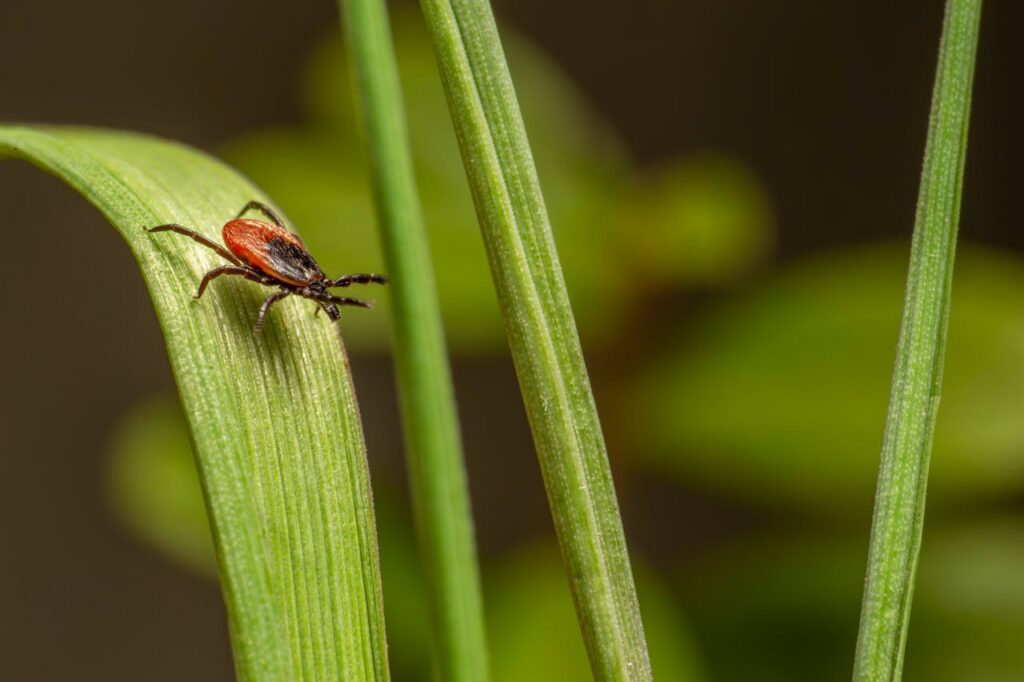
Tick bite travel health is an essential part of preparing for both domestic and overseas travel, especially if your plans include outdoor activities. In Australia and many global destinations, ticks can carry infection, trigger allergic reactions, or cause serious illness if not managed properly.
This guide explains how to identify tick bite symptoms, apply the correct tick bite treatment, and reduce your risk through prevention and, where relevant, travel vaccination for tick-borne encephalitis. Whether you are travelling locally or internationally, understanding tick-related risks helps you stay safe and confident throughout your journey.
What is tick bite travel health?
Tick bite travel health focuses on how travellers can prevent, identify, and manage risks associated with tick bites and tick-borne diseases while travelling in Australia or overseas.
This includes recognising symptoms early, applying appropriate treatment, and preparing through travel vaccinations where recommended. With the right knowledge and preparation, tick exposure becomes a manageable part of travel rather than a major concern.
Where are ticks found in Australia, and what are the risks?
Ticks in Australia are found in many coastal and bushland areas, particularly along the eastern coastline, and they present a distinct health risk compared to other regions. Travellers should understand where ticks are found and how they affect human health.
Tick species and where they are found
The paralysis tick (Ixodes holocyclus) is the most medically significant species in Australia. It is commonly found in Queensland, New South Wales, and other coastal bushland areas.
Tick activity increases during warmer months and typically peaks in spring to early summer, especially from September to January in eastern states. Environmental factors such as rainfall and humidity can influence tick populations year to year.
Why ticks in Australia matter for travellers
Ticks in Australia are not associated with endemic Lyme disease, although imported cases do occur, and some local infections can present with similar symptoms.
However, Australian ticks can still cause serious health issues, including paralysis, allergic reactions, and bacterial infections such as Flinders Island spotted fever.
For travellers, this makes awareness and prevention an important part of travel health planning.
Why preventing tick bites is important for travel health
Preventing tick bites is the most effective way to reduce the risk of illness, infection, and allergic reactions while travelling. A single bite can sometimes lead to complications if not managed correctly.
Ticks can transmit bacteria or inject toxins, and in some overseas regions they may also carry viruses. In Australia, paralysis ticks can affect the nervous system, while overseas ticks may carry viruses such as tick-borne encephalitis.
Tick bite symptoms: early signs travellers should not ignore
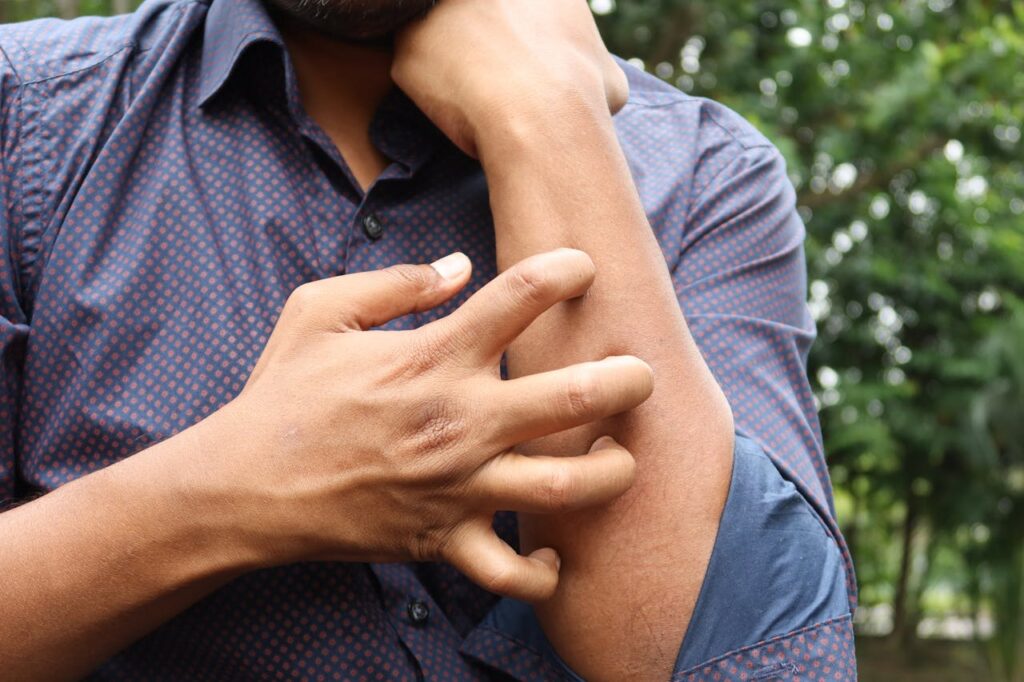
Recognising tick bite symptoms early is essential for managing tick-borne illness and preventing complications. Symptoms can vary depending on the tick species and the type of infection involved.
Common early symptoms
Most tick bites begin with mild, localised reactions such as redness, swelling, or itching at the bite site. In some cases, the tick may still be attached and visible.
Symptoms that develop after a bite
Within a few days, more noticeable symptoms may develop. These can include fever, fatigue, headaches, and muscle aches. A rash may also appear, particularly in cases involving infection.
Severe symptoms requiring urgent attention
More serious symptoms can develop if the reaction progresses. These may include:
- Difficulty breathing or signs of an allergic reaction
- Weakness or paralysis
- Persistent fever or spreading rash
Immediate medical attention is required if these symptoms occur.
Tick bite treatment: what to do if you are bitten
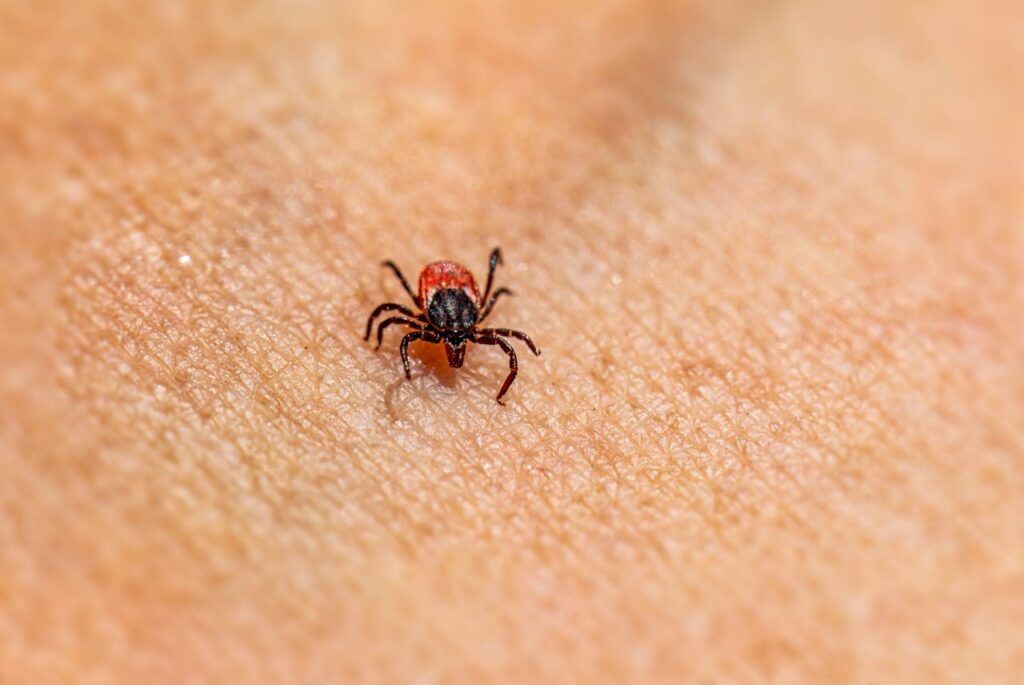
Tick bite treatment should be approached carefully to reduce the risk of infection or allergic reaction. Safe removal and proper aftercare are essential steps.
How to remove a tick safely
In Australia, the safest approach for many people is to freeze the tick with an ether-based spray before removing it. Avoid twisting or squeezing the tick, as this can increase the risk of infection.
In Australia, medical advice may recommend killing the tick first using an ether-containing spray before removal to reduce the risk of allergic reaction, particularly for those at risk of hypersensitivity.
What to avoid during removal
Certain methods can increase risk and should be avoided:
- Applying petroleum jelly, alcohol, or nail polish
- squeezing, crushing, twisting, or forcibly pulling out the tick
- Disturbing the tick unnecessarily
Aftercare and monitoring
After removing the tick, clean the area with antiseptic and monitor for symptoms such as rash, fever, swelling, breathing difficulty, or weakness over the following days. If any unusual symptoms develop, seek medical advice promptly.
Tick-borne diseases that travellers should understand
Tick bite travel health also involves understanding the diseases ticks can transmit in different regions. Risks vary depending on your destination.
Tick-borne encephalitis (TBE)
Tick-borne encephalitis is a viral infection found in parts of Europe and Asia and can affect the brain and nervous system.
Recent European surveillance data reports several thousand cases reported each year, highlighting the importance of vaccination for travellers to high-risk areas.
Lyme disease and other infections
Lyme disease is more common in North America and Europe and is often identified by a distinctive rash. Early treatment with antibiotics is effective in most cases.
In Australia, rickettsial infections such as Flinders Island spotted fever are more relevant and can cause fever, rash, and fatigue. Some cases of Lyme-like illness have also been reported, though caused by different pathogens.
Travel vaccination and protection for tick exposure
Travel vaccination is an important part of tick-bite travel health, particularly when visiting regions where tick-borne viruses are present.
Vaccination for overseas travel from Australia
Travellers should consult a healthcare provider before departure to assess their risk and determine whether vaccination is recommended. This is especially important for those visiting rural or forested areas.
Prevention options comparison
Choosing the right prevention strategy depends on your destination, level of outdoor exposure, and individual health risks. Combining multiple approaches, such as vaccination, protective clothing, and daily tick checks, offers the most effective protection against tick-borne illness while travelling.
| Prevention method | Best use case | Effectiveness |
| TBE vaccine | High-risk overseas travel | High |
| Insect repellent (DEET) | Outdoor exposure protection | High |
| Protective clothing | Hiking and bushwalking | Moderate |
| Tick checks | Daily prevention routine | Highly effective when done consistently |
Preventing tick bites while travelling
Preventing tick bites is one of the most practical ways to protect your health while travelling. Simple precautions can significantly reduce your exposure.
Protecting yourself outdoors
Wearing long sleeves and trousers, using a repellent that contains DEET or picaridin, and staying on marked paths can help reduce contact with ticks.
Avoiding direct contact with grass, leaf litter, and dense vegetation further lowers your risk.
Daily prevention habits
Adopting consistent habits can make a significant difference:
- Check your body for ticks after outdoor activity
- Shower soon after returning indoors
- Inspect clothing, gear, and pets
- wash or tumble dry clothing on high heat
If you are bitten by a tick while travelling
Even with precautions, tick bites can still occur. Knowing how to respond is an important part of travel health.
What to do immediately
follow the guidance that applies to your destination, clean the bite site, and note when and where the bite occurred. This information may be useful if symptoms develop later.
When to seek medical help
Medical advice should be sought if symptoms such as fever, rash, allergic reaction, or weakness occur. Early treatment helps prevent complications.
A practical approach to tick bite travel health
Tick bite travel health is about being informed, prepared, and proactive. Understanding risks, recognising symptoms early, and taking preventive measures allows travellers to reduce their risk while enjoying their experience.
From our perspective at Southgate Medical, we often see that tick-related concerns are overlooked during travel planning. In practice, early awareness and timely medical advice can make a meaningful difference in preventing complications and supporting safer travel outcomes.
Frequently asked questions
A tick bite is dangerous if it causes symptoms such as difficulty breathing, weakness, or an allergic reaction. Paralysis ticks can affect the nervous system and worsen quickly. Seek medical attention immediately if symptoms spread or become severe.
Symptoms can appear within hours or may take several days to weeks after a tick bite. Mild irritation may happen first, followed by fever, fatigue, or rash. Monitor your condition for up to a week to identify any delayed reactions.
Yes, tick bites in Australia can cause illness even without Lyme disease. They may lead to infections, allergic reactions, or paralysis. Early recognition of symptoms helps ensure timely treatment and reduces the risk of complications.
Pack insect repellent with DEET, long-sleeved clothing, and closed shoes to reduce exposure. These items help prevent ticks from attaching to your skin. Carrying tweezers is also useful for safe tick removal if needed.
Vaccination may be recommended depending on your destination, itinerary, and planned outdoor activities. The tick-borne encephalitis vaccine is advised for certain parts of Europe and Asia. Consult a healthcare provider before travel to assess your individual risk.
Yes, tick bites can trigger delayed allergic reactions, including alpha-gal syndrome, also known as mammalian meat allergy. This occurs when the immune system reacts to substances in tick saliva. In Australia, paralysis ticks have been linked to this condition, with symptoms appearing hours after eating red meat.
Check your entire body carefully after outdoor exposure, focusing on hidden areas like the scalp and skin folds. Showering soon after can help remove unattached ticks. Inspect clothing and gear to prevent missed exposure.