
South Korea is full of unforgettable experiences, but staying healthy should be part of your travel plan. Make sure your health is covered before departure. Receiving the appropriate vaccinations for South Korea helps protect against infectious diseases not commonly encountered in Australia. Depending on your itinerary, length of stay, and the regions you’ll visit, certain vaccines are strongly recommended. Taking preventive steps now can reduce your risk of illness and give you peace of mind while travelling.
Recommended vaccines and injections for travellers
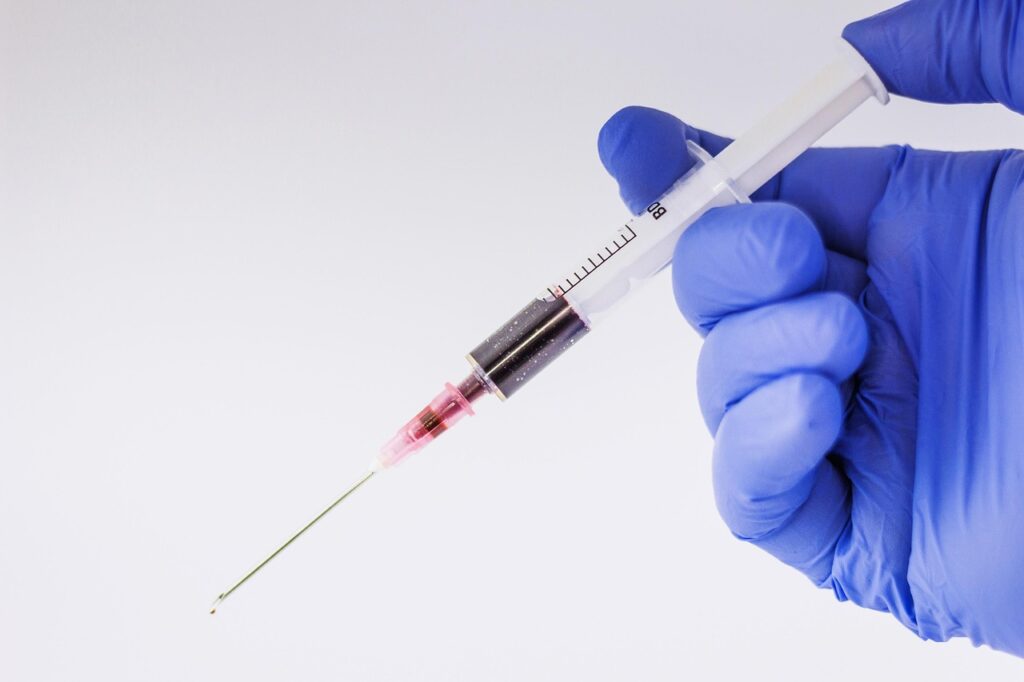
Before you travel to South Korea, it’s important to check which vaccinations and injections you may need. Some diseases are more common in Asia than in Australia, and exposure risks can change based on your activities, where you stay, and how long you’re there. These vaccinations are widely recommended for most travellers heading to the Republic of Korea.
Hepatitis A
Hepatitis A spreads through contaminated food or water. Even in cities like Seoul, there’s still a risk, especially when eating street food or meals from places with lower hygiene standards. A single dose provides strong protection and is highly recommended for all travellers.
Hepatitis B
Hepatitis B is a viral infection passed through blood or body fluids. It’s more common in East Asia than in Australia. Travellers planning medical or dental procedures, long-term stays, or close contact with locals should consider this vaccine. It’s often given as a series of injections over several weeks, so plan ahead.
Typhoid
Typhoid is caused by bacteria in contaminated food and water. It can occur in both rural and urban areas of South Korea. If your trip includes eating local food, visiting smaller towns, or travelling during the wet season, a typhoid vaccine is advised. Oral or injectable options are available.
Influenza (flu)
Flu viruses circulate year-round in South Korea, especially during the winter months (December to March). Crowded cities, busy public transport, and indoor spaces make it easier to catch. A yearly flu vaccine is recommended before any overseas travel, especially for older adults, children, or those with underlying health conditions.
These core travel vaccines help protect against preventable illness. Speak with a travel health clinic or GP at least 6-8 weeks before your departure to make sure you’re up to date and have time to complete any required vaccine courses.
Vaccines needed for South Korea based on travel risks
Some travel vaccines are only needed in certain situations. Your activities, length of stay, and the places you visit in South Korea will help determine which ones are right for you. The following immunizations are advised depending on your travel plans:
Japanese encephalitis
This mosquito-borne disease is rare but can be severe. The vaccine is recommended if you’re spending more than a month in rural areas, especially during the warmer months from July to October. It’s also advised for travellers doing outdoor activities like hiking, farming, or cycling near rice fields or wetlands. The vaccine is available in Australia and should be planned well ahead of travel.
Rabies
Rabies is present in bats and some stray animals in South Korea. The vaccine is recommended for travellers who may be exposed to animals, such as campers, hikers, veterinary workers, or volunteers in rural areas. In the event of a bite or scratch, access to post-exposure treatment may be delayed outside major cities, making pre-travel vaccination a smart precaution.
Meningococcal meningitis
This serious bacterial infection spreads through close personal contact. The vaccine is recommended if you’re staying in shared accommodation like dormitories, military housing, or international boarding schools. It may also be required by some institutions for long-term stays.
Tick-Borne encephalitis
Travellers spending time in forests, grassy fields, or rural hillsides, particularly during spring and summer, may be at risk of tick bites. This includes campers, hikers, and nature photographers. While the disease is rare, vaccination may be considered based on your exposure level and the season.
Cholera
The overall risk of cholera is low in South Korea, but the vaccine may be advised if you’re travelling to areas with poor sanitation or working in disaster relief or humanitarian aid. Cholera spreads through unsafe food and water, and the vaccine is taken orally before departure.
Polio
Polio is not a risk in South Korea. However, travellers arriving from countries with ongoing polio transmission may need to show proof of recent vaccination. This requirement follows World Health Organization (WHO) guidelines. Check if this applies to you based on your travel route.
Yellow fever
There is no yellow fever in South Korea, so the vaccine is not required for entry. However, if you are transiting through or coming from a yellow fever-affected country, you may need to show an official vaccination certificate. This is a global entry requirement, not specific to South Korea.
These vaccinations may not be essential for every traveller, but they are worth discussing with a travel health professional. Tailored medical advice ensures you’re fully protected based on your personal travel plans.
Preparing for vaccination before you travel
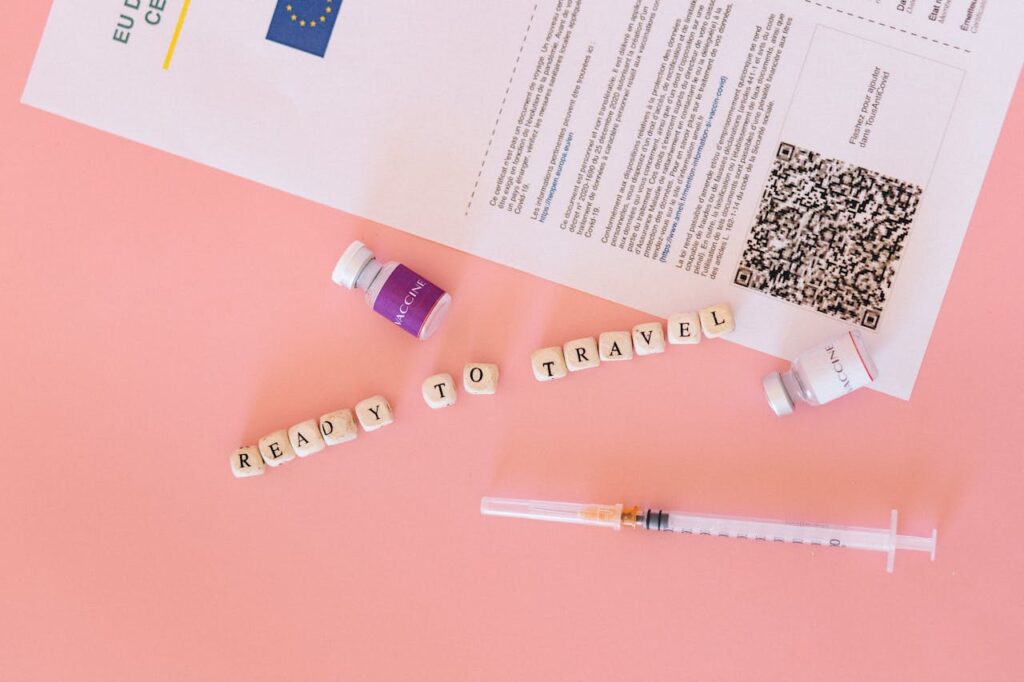
When and where to get vaccinated
Plan your travel vaccines 6–8 weeks before you fly to South Korea so multi-dose courses have time to work. You can book through your regular GP or a specialist travel clinic that tailors advice to your itinerary and current health risks in the Republic of Korea.
Southgate Medical offers two convenient Travel Doctor-TMVC clinics in Victoria:
- Port Melbourne – GP & Travel Medicine
1 / 405 Bay Street, Port Melbourne VIC 3207
Phone (03) 9690 1433 - Frankston – GP & Travel Medicine
28 Cranbourne Road, Frankston VIC 3199
Phone (03) 9783 2111
Travel consultations at Southgate are designed to help you meet all vaccine requirements based on the latest health advice for South Korea. Early planning ensures you’re protected before departure and gives time to complete any necessary courses.
Keeping and showing your vaccine records
Make sure your vaccination records are up to date and easily accessible. Download digital certificates if you’re transiting through affected countries. Some airlines and immigration authorities may ask to see proof of vaccination during your journey.
Additional information for travellers to South Korea
Personal safety
Before and during your trip, stay informed about current travel conditions and any high-risk areas. Avoid unnecessary displays of wealth or valuables, and carry only small amounts of cash when possible. Keep secure, separate records of important details such as your passport, credit card, and driver’s licence numbers in case of loss or theft.
For more travel safety advice, visit https://southgatemedical.com.au
Medical care and emergency planning
While South Korea has modern hospitals in major cities, medical care may be limited in rural or remote regions. Travellers should maintain a high level of self-sufficiency, including a comprehensive first aid kit and sterile medical supplies if journeying beyond urban areas.
Your travel insurance policy should include coverage for emergency evacuation and hospital care. Keep the contact details for your emergency assistance provider as nominated by your travel insurer.
First aid kits and travel health accessories
Carry a basic first aid kit tailored to your travel plans and activities.
For longer or more remote trips, consider adding:
- A needle and syringe pack (for emergencies where sterile equipment may not be available)
- Medication for traveller’s diarrhoea and oral rehydration salts
- Basic supplies such as antiseptic, pain relief, bandages, and insect repellent
Proper preparation ensures you’re equipped to manage minor health concerns and reduces dependence on limited local medical resources.
FAQs
Even in urban areas, diseases like measles, hepatitis A, or influenza can still spread, especially in crowded places like markets, transport hubs, or festivals. Routine travel vaccinations help protect against these risks and are strongly recommended for all travellers to South Korea, regardless of location.
Hepatitis B is spread through blood and body fluids, and is more common in East Asia than in Australia. While it’s strongly advised for long-term travellers, it may also be recommended if you’re planning medical or dental procedures, adventure travel, or close contact with locals.
It’s strongly advised to complete all vaccinations before you leave Australia. Some vaccines require multiple doses spaced over several weeks. While some are available in South Korea, access may vary, and language or cost may be a barrier. Pre-travel vaccination ensures you’re protected from the moment you arriAdditional information for travellers to South Korea