
India’s famous sights, including the Taj Mahal, lively markets and sacred temples, attract many Australian travellers each year. Before you travel, an important question to consider is what jabs are required for India.
There are no compulsory travel vaccinations for India, but doctors strongly recommend several travel jabs to lower your risk of illness. Booking a travel health consultation 6 to 8 weeks before you travel to India gives you enough time to complete your inoculations for India and update routine vaccines.
This guide outlines the recommended travel vaccinations for India, the main health risks and simple steps to stay safe with food, water and mosquito protection. Early planning helps you enjoy your India travel with confidence.
Pre-Travel Health Advice for India Travellers
Start planning your travel to India early. Review your vaccines and discuss your itinerary with our travel health clinic so we can advise on recommended vaccinations. Your needs depend on your route, how long you plan to stay and the diseases in India that may be present in your destinations.
What Vaccinations Do I Need for India?
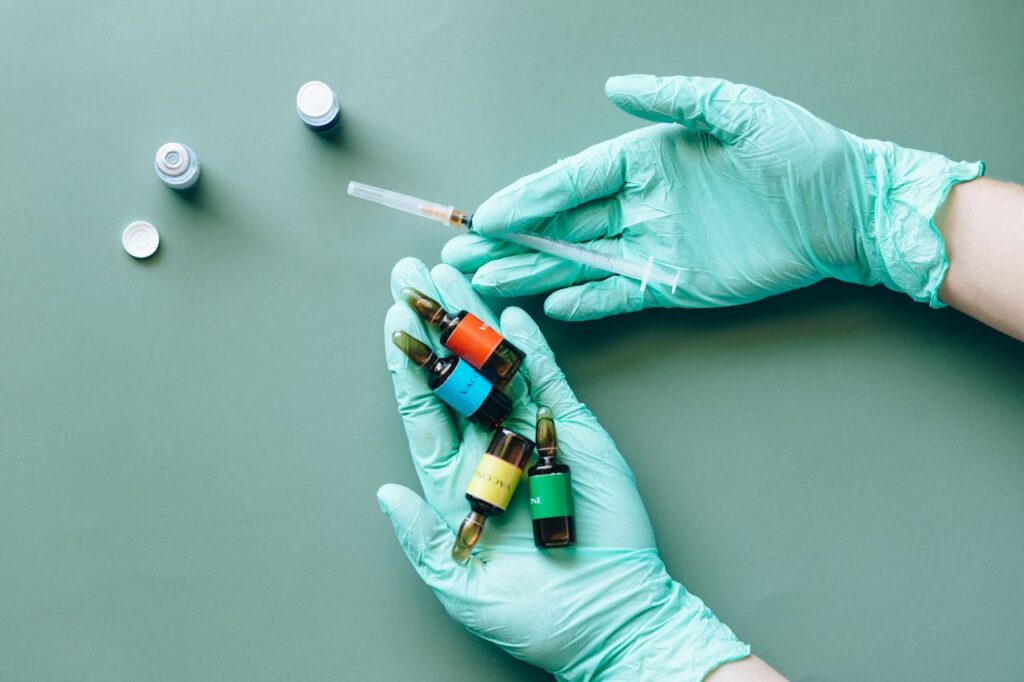
Travellers to India should review their routine vaccinations and ensure they have protection against common vaccine-preventable diseases. Your vaccination needs depend on your itinerary, length of stay and travel health risks. The vaccines below are recommended for most travellers to India.
Hepatitis A
Hepatitis A is spread through contaminated food and unsafe water. A single vaccine dose provides strong early protection, and a booster offers long-term immunity. This travel vaccine is recommended for all travellers to India because food and water risks are widespread across both urban and rural areas.
Typhoid
Typhoid spreads through bacteria found in contaminated food and water. Travellers can choose an injectable vaccine or an oral capsule course. Both provide protection when taken correctly. This vaccination is important for travel, especially in rural areas where sanitation varies.
Tetanus, Diphtheria and Pertussis Booster
A booster is required every 10 years to stay protected. Tetanus bacteria enter through cuts or injuries, which can occur during travel. Ensuring your routine vaccination records are up to date gives travellers reliable protection throughout India.
Polio Booster
Polio risk persists in some regions globally, though India has been polio-free since 2014. A booster is recommended for travellers to India whose childhood vaccination series is incomplete or more than 10 years old, aligning with Australian guidelines from the Immunisation Handbook. Proof of polio vaccination is not required for Australians arriving directly from Australia.
Measles, Mumps and Rubella (MMR) Update
Measles cases continue to occur in many countries. Travellers should have two documented doses of MMR to ensure immunity. Updating this routine vaccine supports safer travel to India and reduces the risk of outbreaks during international travel.
Additional Travel Vaccines for India
Some travel vaccinations for India may be recommended depending on your itinerary, health risks, and whether you plan to visit rural areas or higher-risk locations.
Hepatitis B
Hepatitis B spreads through blood and body fluids, with exposure possible via medical care, tattoos, or close contact; a three-dose schedule provides protection, or a rapid option if time is limited.
Rabies
Rabies is widespread in India, pre-exposure vaccination suits rural stays, animal work, or high bite risk.
Japanese Encephalitis
This disease spreads through mosquito bites in farming regions. The vaccine may be recommended for stays longer than one month or for travellers spending lots of time outdoors at night.
Cholera
Cholera spreads through contaminated food and water and can cause severe diarrhoea. A travel vaccine may be advised for outbreak zones, humanitarian work or areas with limited sanitation.
Other health risks and travel advice

Travellers should prepare for health risks that are not prevented by travel vaccinations for India, including malaria, mosquito-borne diseases and unsafe food or water.
Malaria
There is no malaria vaccine. Travellers visiting malaria-risk areas of India may need antimalarial medication. A doctor can advise based on your itinerary and the risk of malaria in rural and urban regions.
Mosquito dengue avoidance
Diseases such as dengue and Zika spread through mosquito bites. Use repellent, wear long clothing and choose screened or air-conditioned accommodation to reduce risk during travel.
Diarrhoea
Contaminated food and water can cause traveller’s diarrhoea. Eat freshly cooked foods, drink safe water and maintain good hand hygiene to reduce illness during travel to India.
When and where to Get Vaccinated
Planning your travel vaccinations for India early is essential. Rabies, Japanese encephalitis and other vaccinations for India may require multiple doses, so aim to book your appointment 6 to 8 weeks before you travel. This gives you enough time to complete the full schedule and discuss any travel health risks linked to your itinerary.
You can arrange your vaccines through a specialised travel health clinic that provides advice based on your destination, job role, and exposure risk.
Southgate Medical offers convenient access to travel vaccinations, including advice for travellers to India and support with vaccine preventable diseases.
Southgate Medical offers two convenient Travel Doctor-TMVC clinics in Victoria:
Port Melbourne Clinic:
1 / 405 Bay Street, Port Melbourne VIC 3207
Phone (03) 9690 1433
Frankston Clinic:
28 Cranbourne Road, Frankston VIC 3199
Phone (03) 9783 2111
Travel consultations at Southgate are tailored to your itinerary, length of stay, and specific health risks in India. Early booking helps ensure you receive all recommended doses before you are at risk during your travel.
Frequently asked questions
How early should I book an appointment for my travel vaccinations?
It is best to book an appointment 6 to 8 weeks before you leave. This allows time to complete any required schedules, such as the rabies vaccine or typhoid vaccine, and to organise your vaccination certificate if it is needed for arrival in India.
What vaccine preventable diseases should I be aware of before I travel to India?
Several vaccine preventable diseases are present in India, including hepatitis A, typhoid and measles. A doctor or travel health clinic will review your travel plans and depending on your travel, may recommend extra protection such as the rabies vaccine or cholera vaccine to reduce your risk.
Can I book an appointment online for my travel vaccinations?
Yes. You can book an appointment online to plan your India vaccinations. This makes it easier to organise vaccines such as typhoid or the rabies vaccine, which may require multiple doses over several days before travel to India.