

Early detection plays a critical role in the successful treatment of skin cancer. Among the most effective techniques for early detection of melanoma and other skin cancers is mole mapping, a process that employs advanced imaging techniques to keep a meticulous track of moles and other skin lesions.
What is mole mapping and how does it work?
Mole mapping is an advanced dermatological procedure aimed at creating a comprehensive mole map of your skin through specialised imaging technology.Also known as total body photography, this process involves recording the size, shape, and location of each mole through detailed high-resolution images, allowing for systematic monitoring over time. The primary objective is to detect any changes in existing moles or identify new lesions at an early stage, thereby facilitating timely skin cancer detection and treatment.
The mole mapping process
The cornerstone of mole mapping is total body photography. This involves taking high-resolution images of your entire skin surface, which serve as a baseline that dermatologists can refer to during subsequent skin cancer checks. These images are stored in a secure digital database, forming a digital body mole map that assists in meticulous monitoring of your skin health over time.
Additional techniques, such as dermoscopy, may be employed for enhanced visualisation of suspicious lesions. Dermoscopy provides magnification of 10-30 times in standard clinical use, making it easier to distinguish between benign moles and potentially malignant lesions.
The entire mole mapping process is typically quick and painless, often taking less than 30 minutes, making it a convenient addition to your skin health routine.
Patients typically receive a flash drive containing their photos, which they can use when performing self-skin exams to compare their images to their current skin and track changes between professional appointments.
Mole mapping vs. skin checks, what’s the difference?
While both mole mapping and skin checks are important for skin cancer screening, they serve different purposes and are suited to different needs.
Traditional skin checks
A skin check (also called a full-body skin examination) is a visual inspection performed by a dermatologist or healthcare provider. During a skin check, the doctor examines your entire skin surface looking for any suspicious or unusual moles, growths, or lesions. They may use a dermatoscope for magnification, but the assessment is typically not documented photographically for long-term comparison.
Skin checks are:
- Recommended for the general population at least annually
- Suitable for those with average skin cancer risk
- Good for identifying immediate concerns
- Quick, often taking 15-20 minutes
Mole mapping, the key differences
Mole mapping takes skin cancer screening to the next level by creating a permanent, detailed photographic record. Unlike a standard skin check, mole mapping provides:
- Detailed baseline documentation: Every mole, freckle, and skin lesion is photographed and documented
- Long-term tracking: Future appointments compare new photos to baseline images, detecting even subtle changes
- Analysis: Computer algorithms flag changes or concerning areas for dermatologist review
- Higher detection accuracy: Studies show mole mapping detects melanoma earlier than standard skin checks alone
- Focused monitoring: Enables dermatologists to track specific changes in individual moles over time
How Often Should You Schedule a Mole Mapping Appointment?
Frequency depends on your risk level:
- Very High-Risk (100+ moles, family history of melanoma, previous melanoma, atypical moles): Every 6-12 months for comprehensive skin examination
- Medium-Risk (50+ moles, fair skin with sun damage): Every 2-3 years, or annually if moles show atypical features
- Low-Risk (average individual): Every 3-5 years, or as recommended by your doctor
Those at higher risk should perform monthly self-exams. Annual professional skin checks are recommended for high-risk individuals, with very high-risk individuals typically requiring checks every 6 months.
Why is Early Detection of Skin Cancer Important?
Skin cancer poses significant health risks if not identified and treated early. Melanoma, in particular, is notorious for its rapid progression and potential to metastasise to other parts of the body.
The earlier skin cancer is detected, the more likely it is that the treatment will be successful. Consequently, a timely skin check can mean the difference between life and death.
Mole maps play a vital role in the early detection of melanoma. By maintaining a detailed, visual record of the moles on a patient’s skin, dermatologists can easily identify alterations in existing moles and the appearance of new lesions.
This systematic comparison of images over time facilitates the early identification of potential melanomas, enabling prompt intervention and improving prognosis.
How to Prepare for a Mole Mapping Appointment?

Your initial visit to a skin cancer clinic for mole mapping is typically a straightforward process. The appointment typically begins with a consultation, where the dermatologist or GP reviews your medical history and assesses your risk factors.
Following this, a thorough skin examination is conducted, including total body photography to capture images of your skin from multiple angles.
Steps for Getting Ready for a Total Body Photography Session
Preparation for a mole mapping session primarily involves ensuring your skin is free from temporary marks or cosmetics. Here are practical steps to help you prepare:
Remove cosmetics and products:
- Do not wear makeup to your visit, or use the face wash provided at the clinic to remove makeup before your exam. This ensures a clear view of the skin on your face.
- Avoid self-tanners or spray tans for one to two weeks before your exam, as these can alter the color and pattern of your moles.
Prepare your body:
- Remove nail polish so the dermatologist can examine your nails on your fingers and toes for any signs of skin cancer.
- Wear your hair down to allow the dermatologist to take a close look at your scalp and any moles in that area.
- Apply moisturizer to help normalize the appearance of your moles if your skin is particularly dry.
Know your skin:
- Before your appointment, conduct a self-exam and note any new, changing, or unusual spots on your body to discuss with the dermatologist. This helps in identifying signs of skin cancer
The ABCDE rule for monitoring moles:
When examining your moles, look for the following warning signs:
- Asymmetry: One half of the mole doesn’t match the other half.
- Borders: Edges that are irregular, scalloped, or poorly defined.
- Colours: Multiple colours or an uneven distribution of colour.
- Diameter: Greater than ¼ inch (about 6mm).
- Evolution: Any change in size, shape, colour, or symptoms such as itching or bleeding.
Some dermatologists now add FG to this:
- Firmness: A mole that feels harder than surrounding skin
- Growth: A mole that is rapidly increasing in size
Who should get mole mapping?
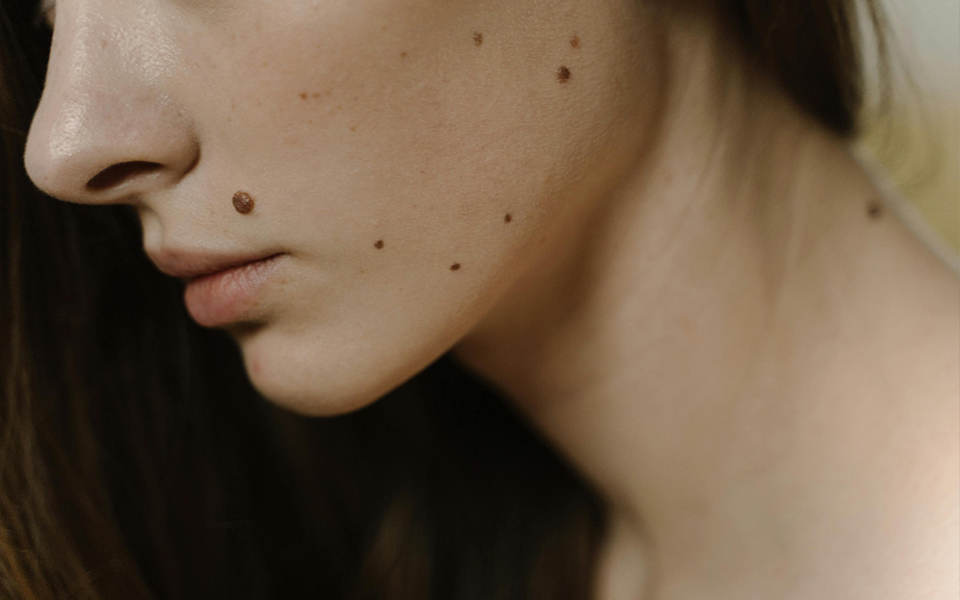
Mole mapping is particularly beneficial for individuals in several high risk categories.
- Family History of Skin Cancer: Individuals with a family history of melanoma carry higher genetic risks and should prioritize regular mole mapping sessions.
- Multiple or Atypical Moles: People with numerous moles, especially more than 50, have higher melanoma risk. Atypical moles (also known as dysplastic nevi) face even greater risk. For those with 100+ moles, annual mole mapping is strongly recommended.
- Previous Melanoma: Individuals with a previous history of melanoma face higher recurrence risk and should undergo regular mole mapping sessions.
- Sun Exposure: Outdoor workers and frequent sun holiday takers face accumulating skin damage that increases skin cancer likelihood.
- Recent Mole Changes: Any changes in size, shape, or color warrant immediate mole mapping evaluation.
- Other Risk Factors: Suppressed immune system, indoor tanning bed use, or multiple concerning moles.
FAQ
Mole mapping provides focused, long-term tracking of your skin. By maintaining comprehensive photographic records, dermatologists can distinguish between stable benign moles and those showing concerning changes. This ensures only clinically significant moles receive further investigation.
Yes. Total body photography uses high-resolution cameras with no radiation or invasive techniques. It’s completely non-contact and painless.
Mole mapping provides peace of mind through continuous skin monitoring. Detailed records enable quick identification of new lesions or changes, ensuring prompt attention to suspicious signs. For melanoma survivors, systematic tracking significantly reduces anxiety.
The non-invasive nature makes regular screening accessible and stress-free, improving patient adherence to recommended schedules.
Mole mapping excels at detecting melanoma and other types of skin cancer that develop from moles. However, it may not identify non-melanoma skin cancers like basal cell carcinoma or squamous cell carcinoma that do not originate from moles. Regular skin checks by a dermatologist are essential for comprehensive skin cancer screening.
Most mole mapping is not covered by Medicare, but private health insurance may cover the procedure if medically necessary, typically for patients with family history, previous melanoma, atypical moles, or 100+ moles. Contact your provider before scheduling to confirm coverage.
Yes, children can undergo mole mapping, especially if they have a high number of moles or a family history of skin cancer. Early and regular monitoring can help detect any changes in moles as they grow, ensuring any potential issues are addressed promptly.
Frequency depends on your risk level. High-risk individuals (100+ moles, family history, previous melanoma) should have annual mole mapping. Medium-risk patients benefit from appointments every 2-3 years. Low-risk individuals can space visits 3-5 years apart.